.webp)
Walk into almost any laundromat and you'll see it: someone dumping in what looks like half a cup of detergent for a single load, convinced that more soap means cleaner clothes. It's one of the most common laundry mistakes we see, and it's worth understanding why using the right amount of detergent matters more than using a lot of it.
Home Machines vs. Laundromat Machines
Detergent dosing isn't one-size-fits-all, and a big part of the confusion comes from the difference between home washers and the larger commercial machines found at a laundromat.
Most home washing machines are designed around standard detergent cap measurements, typically calibrated for loads in the 15 to 20 pound range. Laundromat machines, however, vary significantly in size. A standard top-load laundromat machine might handle a load similar to a home machine, but larger commercial machines — the kind built for comforters, large loads, or multiple loads combined — can range up to 20, 40, even 60+ pounds of capacity.
This means the "one scoop" rule from your detergent bottle at home doesn't translate directly to a larger laundromat machine. As a general guide:
- Standard-size laundromat machines (comparable to home machines): one standard detergent dose, following the manufacturer's per-load measurement
- Mid-size commercial machines (20-30 lb capacity): typically two standard doses
- Large commercial machines (40+ lb capacity): three or more doses, scaled to the machine's actual capacity, not guesswork
The safest approach at any laundromat is to check the posted capacity of the machine you're using and scale your detergent dose proportionally to a standard load measurement, rather than eyeballing it.
Why More Soap Is Actually a Problem
It feels intuitive that more detergent equals cleaner clothes, but the opposite is often true. Excess detergent that isn't fully rinsed out during the wash cycle leaves a residue on fabric fibers. That residue:
- Traps dirt, oil, and odor-causing bacteria rather than releasing them
- Leaves clothing feeling stiff or causes a dull, gray appearance over time
- Can irritate skin, especially for people with sensitivities
- Builds up inside washing machines over time, contributing to musty machine odors that then transfer back onto your clothes
In other words, over-soaping doesn't just waste detergent — it can actively make your laundry smell worse and look worse over time.
The Truth About "Odor-Fighting" Detergents
A huge share of detergents marketed specifically toward "odor elimination" or "freshness" are, in reality, built around heavy fragrance loads rather than genuine odor-removing chemistry. The problem is that fragrance doesn't remove odor — it masks it temporarily. Worse, heavily fragranced detergents can actually cause certain odors, particularly body odor and sweat smell, to bind more stubbornly to synthetic fabrics, making the underlying smell harder to fully wash out over time.
What We Recommend Instead
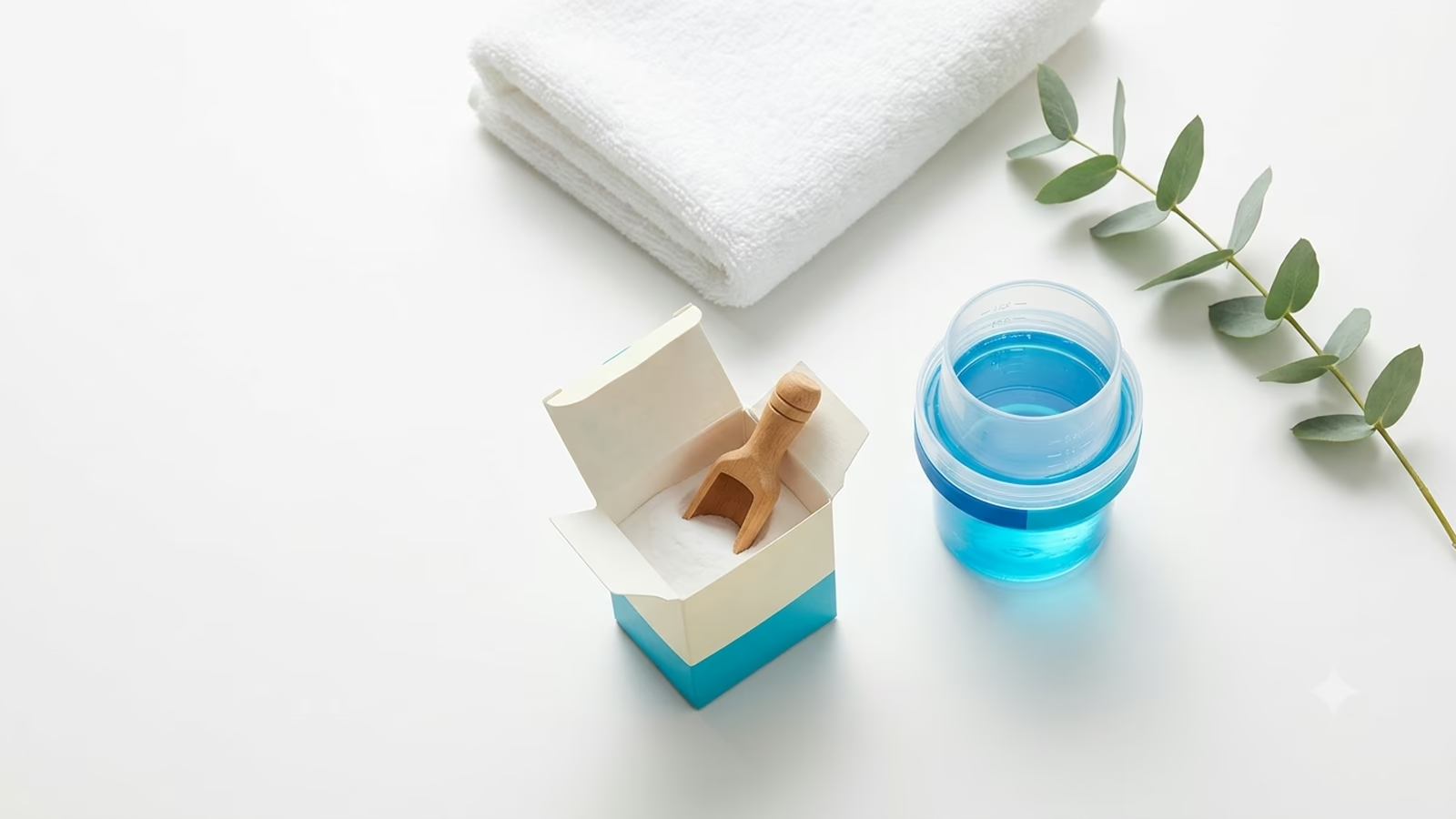
Our general recommendation is to use a low-perfume or fragrance-free detergent combined with baking soda to combat odors. Baking soda works as a natural odor neutralizer rather than a fragrance mask, helping to actually lift odor-causing residue from fabric rather than covering it up.
If you want your laundry to carry a pleasant scent, we'd suggest getting that from your personal care products — lotions, body spray, or perfume — rather than relying on your detergent to do double duty as both a cleaner and a fragrance. This keeps your laundry genuinely clean while still letting you control your personal scent exactly how you want it.
Let the Professionals Handle the Guesswork
If dialing in the right detergent amount and odor strategy for your laundry feels like more trial and error than you want to deal with, that's exactly what our wash and fold service is built for. We calibrate detergent amounts correctly for every load, every time. Visit our wash and fold pages for more information, and schedule a pickup today!

.webp)
.webp)